
Deep in the heart of Tanzania, where golden savannah grasslands stretch to the horizon, lies one of East Africa’s most extraordinary natural wonders: Selous Game Reserve. Now officially known as Nyerere National Park, this protected area has recently become the largest national park in Africa.
The name “Nyerere National Park” honours Tanzania’s first President, Mwalimu Julius Kambarage Nyerere. Located in southern Tanzania, the park spans over 50,000 square kilometres, with additional buffer zones extending its reach. In 1982, UNESCO designated it a World Heritage Site in recognition of its exceptional wildlife diversity and largely undisturbed wilderness.
The area’s conservation history began in 1896, when German Governor Hermann von Wissmann first declared it a protected area during the colonial period of Tanganyika. It became a hunting reserve in 1905.
The reserve was later named after Frederick Selous, a renowned big game hunter and early conservationist who died at Beho Beho in 1917 while fighting German forces during World War I. serengeti mara experts can guide you through this historic landscape where wildlife conservation and human history intersect.
The park’s diverse landscapes unfold like a living canvas, where winding rivers cut through golden plains, dense woodlands shelter abundant life, and vast lakes reflect the boundless African sky. Here you encounter wilderness thriving in its natural splendour, untouched by the rapid pace of modern life.
Selous Game Reserve sits along the southern Tanzania safari circuit, offering an unparalleled escape from the tourist crowds common in northern destinations such as Serengeti. This remarkable wildlife experience remains one of the hidden gems in the southern region.
The reserve lies 219 kilometres from Dar es Salaam, roughly a four-hour drive. Serengeti Mara Experts can arrange comfortable transfers and accommodation suited to your safari style.
A wide range of wildlife inhabits Selous Game Reserve. Large herds of buffalo, giraffe, zebra, and hartebeest roam the plains alongside wildebeest, impala, waterbuck, eland, and bushbuck. Predators include lion, leopard, and hyena, while the reserve is particularly known for its populations of African wild dog, elephant, and the rare puku and sable antelope. Hippos and crocodiles dominate the waterways.

Selous Game Reserve hosts over 445 recorded bird species across its diverse habitats. Along the lake shores, you may observe giant kingfishers, pink-backed pelicans, and African skimmers. Sandbanks attract white-fronted bee-eaters, fish eagles, carmine bee-eaters, ibises, and palmnut vultures.
Waterbirds include the purple-crested turaco, yellow-billed stork, trumpeter hornbill, white-crowned spur-winged plover, and malachite kingfisher, alongside numerous small waders. The reserve also welcomes various migrant species throughout the year.

Selous Game Reserve offers a range of activities that allow you to experience its wilderness from different perspectives.
With more than 400 bird species recorded, Selous Game Reserve ranks among Tanzania’s premier birding destinations. Serengeti Mara Experts arranges guided birding excursions where you can observe giant kingfishers, pink-backed pelicans, African skimmers, white-fronted bee-eaters, fish eagles, carmine bee-eaters, ibises, white-crowned spur-winged plovers, palmnut vultures, purple-crested turacos, yellow-billed storks, trumpeter hornbills, and malachite kingfishers, among many others.


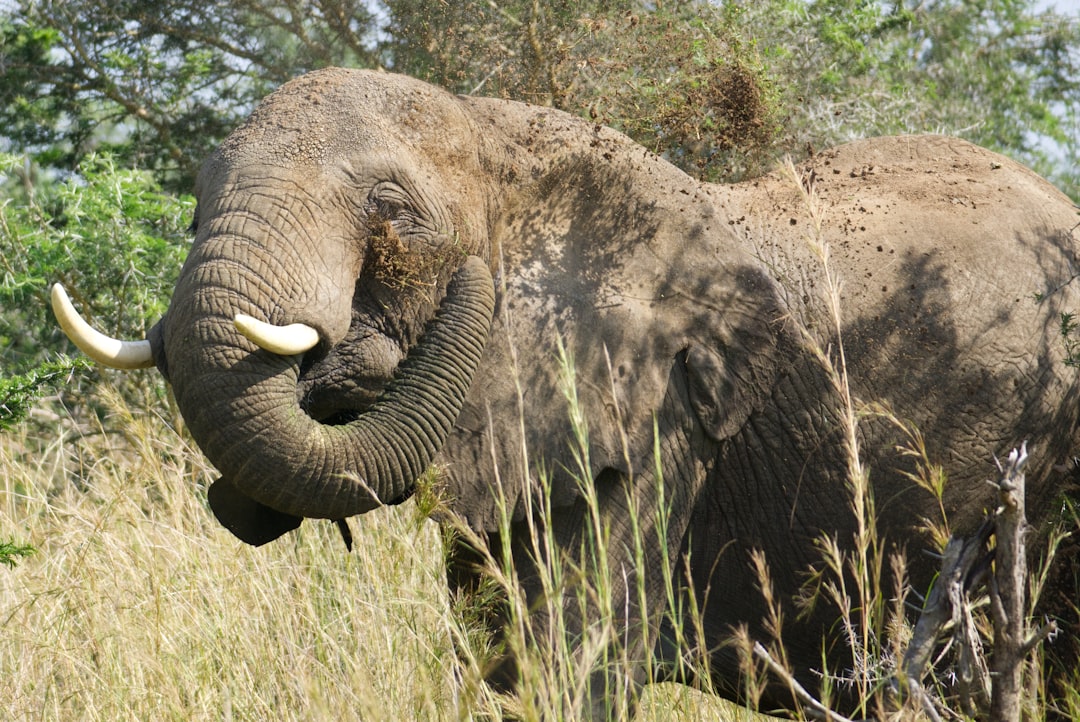

Game drives in Selous take place during the morning, afternoon, and evening hours. These drives are conducted in open-roof safari vehicles, giving you unobstructed views of the wildlife and landscapes.
Accompanied by experienced rangers, you have the chance to see buffalo, lion, wildebeest, large giraffe herds, zebra, hippo, impala, hartebeest, waterbuck, eland, bushbuck, leopard, crocodile, and hyena. The reserve is also home to puku antelope, African wild dog, sable antelope, and elephant, among many other species.

Guided walking safaris rank among the most exciting activities in Selous Game Reserve. On foot, you experience the reserve’s wild landscapes at close range while absorbing the quiet beauty and remoteness of the area. Serengeti Mara Experts can arrange walking safaris led by qualified guides who know the terrain and wildlife behavior.
Boat safaris in Selous provide a unique way to explore the waterways, including the Rufiji River and surrounding lakes. From the water, you encounter hippo, crocodile, and a wide variety of birdlife in their natural habitat.

Experience hot air balloon safaris over the expansive reserve in the southern part of the country. From above, you’ll witness sweeping views of the savannah plains as elephants and other wildlife move freely below.

A safari to Selous Game Reserve typically costs between $500 and $1,500 per person per day. The final price depends primarily on your choice of accommodation and the length of your stay. Serengeti Mara Experts can help you plan a safari that matches your budget and travel preferences.
In short, accommodation prices in Selous start at $400 per person per night in budget facilities and can reach $1,500 per person per night in luxury lodges. Additional activities can also affect your safari cost. For example, a hot air balloon safari costs around $500.
The park welcomes visitors throughout the year. However, the dry season, from June to October, offers the best wildlife viewing conditions. During these months, animals gather around water sources, making them easier to spot, and the sparse vegetation improves visibility across the landscape.
There is relatively little rainfall during this time of year, making it the best period for game viewing because routes are less slippery and more navigable.
Selous Game Reserve is easily accessible by air, with various local aircraft options connecting from Ruaha and Dar es Salaam. The flight from Dar es Salaam takes approximately 45 minutes, while flights from Ruaha take around 90 minutes.
The reserve can also be reached by road. In a safari vehicle, you can travel from Dar es Salaam along the safari route through Mikumi National Park, entering the reserve through Matambwe Gate. This journey takes about four hours and covers approximately 220 kilometres.
Selous offers a range of accommodation options to suit different budgets, from budget and mid-range to luxury facilities. Serengeti Mara Experts can help you choose from properties such as Siwandu Camp, Lake Manze Camp, Beho Beho, Sand Rivers Selous, and Sable Mountain Lodge.
In conclusion, Selous Game Reserve, also referred to as Nyerere National Park, is the largest national park in the whole of Africa where the bright golden savannah grasslands stretch as far as the eye can see. This realm of extraordinary natural wonder harbors an abundance of wildlife including the African big five. Explore Tanzania with Serengeti Mara Experts today.